

Introduction
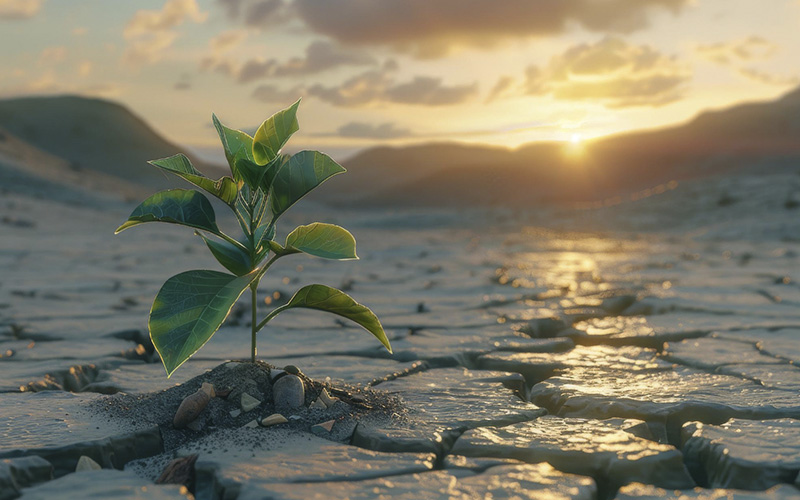
Plant stress is a phenomenon as common as it is misunderstood. Often, when we think of stress, we associate it with humans or animals, but plants also suffer and react to adverse conditions. In this blog, we will explore what plant stress is, how it manifests, and what we can do to help our green companions overcome it.
What is Plant Stress?
Plant stress refers to any adverse condition that interferes with their growth, development, or productivity. It can be caused by abiotic factors such as drought, salinity, extreme temperatures, and pollution, or by biotic factors such as pests and diseases.
Warning Signs Stressed plants exhibit a variety of symptoms, including:
• Wilting and leaf drop
• Discoloration and leaf spots
• Stunted or halted growth
• Reduced fruit or seed production
• Increased vulnerability to diseases
• Combat Strategies
To combat plant stress, farmers and gardeners can adopt several strategies:
1- Selection of Resistant Species: Choosing plants adapted to local conditions can prevent many stress-related problems.
2- Water Management: Adequate irrigation is crucial, especially during drought periods.
3- Pest and Disease Control: Good integrated pest management can reduce biotic stress in plants.
4- Soil Improvement: Enriching the soil with 100% organic products can help plants better resist stress.
5- Use of Plant Covers: Plant covers protect the soil and roots, reducing thermal stress and evaporation.
Plant stress is a constant challenge in agriculture and gardening. However, with careful observation and the implementation of sustainable practices, we can minimize its impact and help our plants thrive.